
Why Your IBS Keeps Coming Back: The Root Causes Diets and SIBO Protocols Miss
Internal inflammation is the real driver of chronic acne. Yet most acne protocols never investigate where that inflammation is coming from, which is why skin never fully clears in the first place, or flares back when treatments are stopped, when life gets stressful, or when sleep and routine fall off.
What's missing from most acne protocols is the investigation into where that inflammation is actually coming from. The gut, blood sugar, cortisol, congested detox pathways, and nutrient depletion are all common drivers, and for most clients, several of these are operating at once. Until those drivers are identified and addressed in the right order, lasting clear skin remains out of reach.
In this article, we walk through the most common root causes we identify behind chronic acne, what your treatment history reveals about your unique picture, how we use functional testing to map those drivers, where targeted peptides fit within a broader protocol, and what it looks like in practice through a real client case.

The Four Root Causes of IBS
1: Maldigestion
Maldigestion is the most common root cause we see behind chronic IBS. It happens when your body can't fully break down the food you eat, and it sets up every other root cause that follows.
Healthy digestion depends on three digestive chemicals working in a very specific sequence. Stomach acid breaks down protein and triggers the release of bile. Bile, made by the liver and stored in the gallbladder, emulsifies fats and acts as the gut's natural antimicrobial, sweeping bacteria out of the small intestine (hello anti-SIBO). Pancreatic enzymes then break down proteins, fats, and carbohydrates into the nutrients your body actually absorbs. When all three are working, gut motility is smooth, nutrients get absorbed, and the gut is able to self-clean and avoid the uncomfortable post-meal gas, bloating, and stomach troubles.
However, when any one of these digestive chemicals isn’t optimally expressed, the entire GI system is thrown off. Food doesn’t get broken down properly, slowly gut motility and triggering inflammation from the immune system. Maldigested foods ferment, feeding opportunistic bacteria, producing the gas, bloating, and pressure that show up after meals. Bile no longer flows properly to clear bacteria, so the small intestine becomes a hospitable environment for overgrowth. The bacteria and waste that should have been swept out stick around, and this is the setup for other root cause conditions like SIBO and dysbiosis to occur, making IBS even more entrenched - we will dive into this more just below.
The most common version of maldigestion we see is low stomach acid, often caused by chronic stress, mineral depletion, or long-term PPI use. Low stomach acid is the most overlooked driver of bloating, heartburn, reflux, and the heavy feeling that something is sitting in your stomach after eating. It also weakens your first line of defense against pathogens, because stomach acid is what neutralizes environmental pathogens before they get deeper into the body. Without sufficient stomach acid, the rest of the digestive secretions aren't appropriately triggered, and the gut doesn't become acidic. This invites in more pathogens, drives bloating, and fuels further IBS symptoms.
This is why maldigestion is the foundation that must be supported first. Digestive secretions are the first mode of the gut's self-cleaning mechanism, and if it is not repaired, the rest of the gut can’t repair itself from IBS.
How maldigestion develops: chronic stress, cortisol dysregulation, mineral depletion, PPI use, age-related shifts, congested detox pathways, or overlap with the other root causes.
Symptoms of maldigestion: gas, burping, bloating, early fullness, heartburn, acid reflux, prolonged fullness after meals, floating or frothy stools, undigested food in stool, nausea, faintness, dry skin, and excess mucus production.
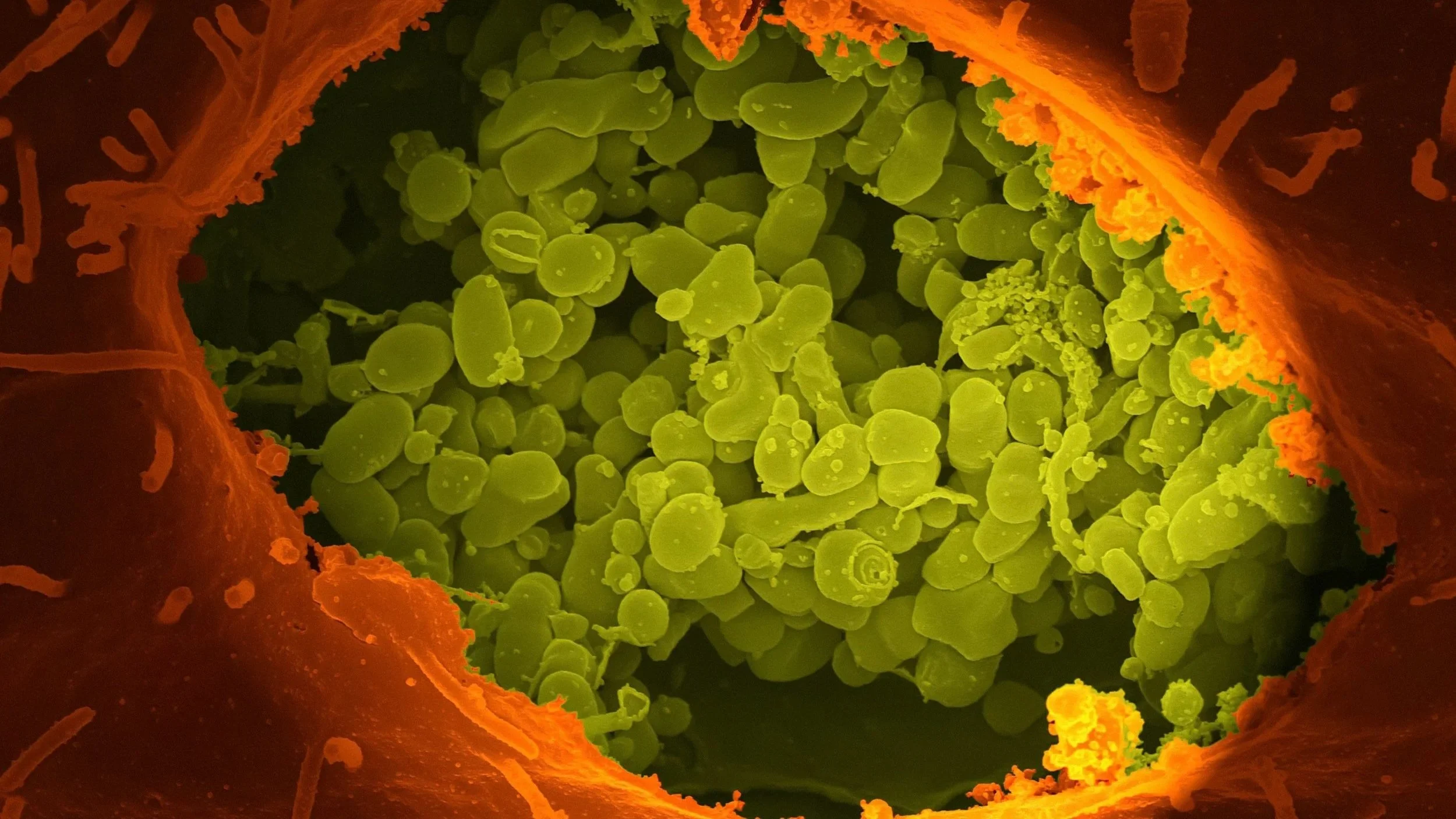
Where SIBO Lives
2: Microbial Imbalance, Dysbiosis, and Infection (Where SIBO Lives)
Microbial imbalance is the second root cause we see behind chronic IBS. It covers dysbiosis, pathogenic overgrowths, infections, and bacteria growing in the wrong place, like SIBO, and it almost always develops downstream of the other root causes.
Dysbiosis is an imbalance between your beneficial and pathogenic bacteria, and it shows up in a few different ways. Low beneficial bacteria is itself a root cause, because those microbes are what help regulate your immune system, keep the gut barrier intact, and keep inflammation in check. When their populations decline, the gut loses its built-in defense against opportunistic and pathogenic overgrowth, immune regulation falters, and the environment shifts, driving more IBS-like environments.
The other side of dysbiosis is overgrowth. Pathogenic bacteria, parasites, fungal burdens like Candida, and bacteria growing in the wrong place (like SIBO) all fall under this root cause. SIBO is largely driven by a combination of the other root causes working together: maldigestion, lowering stomach acid and bile flow, slowed motility, nervous system stress, and inflammation breaking down the gut barrier, all leading to these bacteria in the wrong place in the gut environment. When those drivers are present, bacteria settle into the small intestine where they shouldn't be and ferment the food you eat, producing gases, bloating, constipation, and loose stools that get labeled IBS. SIBO is present in nearly 70 percent of IBS cases, but SIBO alone is not why you have IBS, and without factoring in the other root causes, just killing SIBO isn’t a long-term symptom-free solution for most struggling with IBS.
This is why chronic recurring SIBO is so common. It's not just a killing game. You can kill the bacteria with antibiotics or herbal antimicrobials, but if the other root causes that allowed the overgrowth (maldigestion, slow motility, nervous system stress, inflammation) aren't also addressed, the bacteria settle right back in the moment treatment ends. Clearing SIBO for good requires both treating the bacteria themselves and addressing the root causes that let it overgrow in the first place.
How do we understand the root causes of SIBO and dysbiosis?
We start by running a functional stool test to understand the gut environment as a whole and the unique picture for the client in front of us. A GI-MAP stool test shows microbial balance, opportunistic and pathogenic overgrowths, digestive sufficiency, inflammation, and immune markers. Based on the client's symptom picture, we often pair an organic acid test (OAT) along with a stool test to identify if yeast and fungal overgrowth, detox burden, mitochondrial stress, and nutrient depletions, which help identify deeper drivers of chronic SIBO and IBS pictures. Together, these tests tell us which root causes are active and what's driving them, so we build a protocol specific to the client instead of a generic SIBO and IBS playbook.
How dysbiosis and infection develop: maldigestion, slow gut motility, antibiotic history, low stomach acid and bile flow, low dietary fiber, hypothyroidism, environmental exposures, pesticide and mold exposure, concussions, and stressed eating.
Symptoms of dysbiosis and infection: constipation, diarrhea, upper GI pain, skin conditions, waking at night, dairy sensitivity, new food sensitivities, post-nasal drip, coating on the tongue, cracks at the corners of the mouth, and mood changes.

Let’s Explore Inflammation
3: Inflammation
Inflammation is the third root cause we see driving chronic IBS. When inflammation is present, we turn into detectives to better understand what is driving a chronic immune and inflammation picture in the gut.
In a healthy gut, inflammation is a short-lived, protective response. Your immune system encounters something it doesn't recognize (a bacterium, virus, a chemical, or irritant), flares up to deal with it, and resolves. The gut lining stays intact. The immune system and inflammation response resolve.
But in a case of chronic gut inflammation, there's a constant immune and inflammation trigger that your immune system can't clear. It could be dysbiosis or a hidden infection, mold toxin exposure, a chemical you're encountering, or even poor-quality foods and blood sugar imbalances. Whatever it is, your immune system stays activated, and the ongoing activity starts to damage the gut lining itself. The tight junctions that keep your gut barrier sealed break down as inflammation drives intestinal permeability or leaky gut. Bacterial byproducts, undigested food particles, and inflammatory compounds begin passing into your bloodstream where they don't belong. From there, the inflammatory by-products travel systemically and can impact other tissues and symptoms farther from the gut. This is why so many people with chronic IBS also deal with skin flares, joint pain, brain fog, fatigue, mood swings, PMS, period issues, and even new food sensitivities. The inflammation that started in the gut doesn’t stay in the gut.
Food sensitivities are not a root cause. They're a symptom of one. The pattern we see again and again is a client who's been told their food sensitivities are the problem and placed on an elimination diet, when the real driver is chronic gut inflammation. Elimination diets aren't a long-term healing tool. Symptoms may ease at first, but over time, one of two things happens. Either foods can't be reintroduced without triggering a flare, or the list of "safe" foods keeps shrinking while IBS symptoms never fully resolve. The reason is simple. Outside of true gluten sensitivity, the trigger driving chronic gut inflammation is rarely food itself. It's one of the root causes running quietly in the background: a hidden infection, an established dysbiosis pattern, environmental toxin exposure, or a maldigestive pattern. Food sensitivities are downstream of the inflammation, not the source of it. Once the gut barrier begins to repair and the underlying drivers are addressed, food tolerance returns on its own.
This is why we use comprehensive stool testing to identify exactly what's keeping your immune system activated. When we can address the actual driver, inflammation calms, the gut barrier repairs, and the IBS cycle finally stops.
How inflammation develops: infection and dysbiosis, gluten sensitivity, certain medications, glyphosate and pesticide exposure, food additives, low dietary fiber, mold, and mycotoxin exposure.
Symptoms of inflammation: bloating, GI pain, burning sensations in the gut, food sensitivities, skin issues, flushing, fatigue, aches and pains, brain fog, and fluid retention.

Stress: Another Important Factor
4: Stress
Stress is the most overlooked root cause of IBS, and we don't just mean psycho-emotional stress. Physical and internal stressors matter just as much, often more: environmental toxins, blood sugar swings, undereating, poor sleep, congested drainage pathways, immune activation, chronic inflammation, and dysregulated circadian rhythm patterns. All of these signal stress to the body, drive inflammation, and dysregulate digestion.
The brain and nervous system play a major role in regulating gut motility and digestion. In a stressed state, these self-cleaning mechanisms break down and can kick off deeper IBS root causes like maldigestion and, if stress becomes chronic, eventually dysbiosis. Under chronic stress, the self-cleaning motility drivers slow down, including the migrating motor complex, a wave-like mechanism that sweeps bacteria out of the small intestine between meals to prevent conditions like SIBO. Digestive secretions also reduce, lowering stomach acid, impacting digestive enzyme production, and reducing bile flow and formation, which even affects detoxification function. This stress-driven slowdown reduces the gut's self-cleaning abilities and creates an environment where bacteria and waste can stagnate, leading to recurrent SIBO, gas, and bloating, and driving the deeper root causes above. The nervous system state and stress can be a root cause driver, but that doesn't mean we don't have control over stress or have to be a victim of it.
The impact of chronic stress can be softened by leaning into the practices that replenish what stress depletes. A big piece of this is rebuilding foundational minerals like potassium, sodium, and magnesium, which stress burns through quickly and which play a major role in producing digestive secretions and supporting motility. Adding structure to your day, eating consistently and enough, and actively replenishing the nutrients that stress drains all work together to build resilience. None of these tools eliminates stress, but they give your body the resources it needs to handle it without falling apart in the process.
How stress impacts the gut: Depletes minerals, stress breaks down the gut lining, alters microbial balance, slows motility, and drives ongoing inflammation.
Symptoms of stress-driven gut dysfunction: bloating after meals, stomach cramps, urgent loose stools during stressful periods, unpredictable digestion, and symptoms that flare with anxiety or overwhelm.

Why Standard IBS and SIBO Care Doesn't Work
Why Standard IBS and SIBO Care Doesn't Work
If you've already done the elimination diets, the supplements, the SIBO protocols, and you're still struggling with IBS, the problem isn't effort. Conventional care manages symptoms. It doesn't fix root causes.
Cutting more foods out doesn't restore digestive secretions. Killing the bacteria doesn't rebuild the gut environment. Adding probiotics doesn't help if your terrain can't support them. Another round of low FODMAP only manages symptoms but doesn’t resolve the immune activation, mineral depletion, or motility dysfunction that produced the overgrowth.
The bacteria, the inflammation, the food sensitivities, and the bloating are evidence of the problem, not the problem itself. Treating them in isolation gives you temporary relief at best. Resolving the root causes is what makes resolving IBS fully possible.

Client Story: SIBO-Free After Ten Rounds of Antibiotics
Client Story: SIBO-Free After Ten Rounds of Antibiotics
Client J came to us after ten rounds of antibiotics for recurring SIBO with another provider. He was exhausted: chronic loose stools, multiple incomplete bowel movements daily, deep fatigue, brain fog, body aches, and disrupted sleep. Every round of treatment brought brief relief, but his SIBO symptoms would fully relapse only weeks later.
So we dug deeper to understand what root causes were allowing his SIBO to keep recurring. His GI-MAP showed significantly depleted digestive enzymes and stomach acid, sluggish bile flow, congested detox pathways, and an overactivated gut immune system. We looked further into his sluggish bile flow and detox capacity and found that mold was a major driver of his SIBO recurrence. A urine mycotoxin test revealed mold exposure that had been fueling an inflammatory immune cycle. The mold was suppressing his immune function, depleting his nutrients, and breaking down his gut's self-cleaning mechanisms, leading to SIBO recurrence even after treatment.
The bacteria had been killed repeatedly with his previous treatments, but the mold and the inflamed gut environment had never been addressed. The environment that was leading to SIBO recurrence had never been identified. So we built a protocol that supported his digestion, opened his drainage pathways, repaired his gut lining, and worked to gradually clear the mold and fungal load in the right order. He's now SIBO-free, energetic, clear-headed, and having comfortable daily bowel movements with ease.
The answer wasn't another round of treatment. It was finally addressing what was driving the cycle.

How We Work With Chronic IBS at Above Health Nutrition
How We Work With Chronic IBS at Above Health Nutrition
Resolving chronic IBS requires identifying which of the four root causes are active in your body and addressing them in the order your body needs. This is the work we do 1:1 with clients over six months. We use comprehensive functional testing to map your picture and build a protocol around your specific findings.
We move in phases. First, we stabilize the foundations: restoring digestive capacity, balancing blood sugar, replenishing minerals, and supporting nervous system regulation. Then we move into targeted root cause work, addressing the microbial overgrowths, infections, and inflammatory drivers we identified, sequenced to your body's capacity to clear them without flaring. The final phase rebuilds the microbiome, restores resilience, and integrates the daily habits that keep the gut stable through stress, travel, and life.
This is not a quick fix. It's comprehensive clinical work, and it's what produces lasting results.
Ready to Uncover the Real Root Cause of Your IBS?
If you're finished cycling through elimination diets, SIBO protocols, and providers who treat symptoms instead of root causes, the first step is identifying what's actually driving your symptoms. Take our free Root Cause Quiz to discover which hidden factors are most likely behind your recurrent IBS and get personalized insights on where to focus your healing.
Take the Free Root Cause Quiz Here.
Related Posts: Uncovering IBS...What is your ROOT Cause?
