
Why Acne Is an Inflammation Problem: The Gut, Hormones, and Root Causes Most Protocols Miss
Internal inflammation is the real driver of chronic acne. Yet most acne protocols never investigate where that inflammation is coming from, which is why skin never fully clears in the first place, or flares back when treatments are stopped, when life gets stressful, or when sleep and routine fall off.
What's missing from most acne protocols is the investigation into where that inflammation is actually coming from. The gut, blood sugar, cortisol, congested detox pathways, and nutrient depletion are all common drivers, and for most clients, several of these are operating at once. Until those drivers are identified and addressed in the right order, lasting clear skin remains out of reach.
In this article, we walk through the most common root causes we identify behind chronic acne, what your treatment history reveals about your unique picture, how we use functional testing to map those drivers, where targeted peptides fit within a broader protocol, and what it looks like in practice through a real client case.

The Link Between Inflammation and Acne
The Link Between Inflammation and Acne
Acne was long considered a problem of clogged pores and bacteria, but research has significantly shifted that understanding. Inflammation is now recognized as a primary driver of acne, present at every stage of lesion formation, not just a byproduct of it. Inflammatory signals activate sebaceous glands, promote the overgrowth of C. acnes, and break down the skin barrier, creating the conditions where acne develops and persists.
This means that as long as the body is generating an inflammatory signal, the skin will continue to react. The question is never just what is happening at the skin; it is what is driving the inflammation that is expressing itself there.
In our practice, we consistently see common root cause drivers generating that inflammatory signal, and for most clients, several of these are operating at once, feeding each other and keeping the inflammatory cycle going. Here is what each of those drivers actually looks like and how we identify them.

The Root Causes Driving Acne and Chronic Inflammation
Gut Dysbiosis and the Gut-Skin Axis
The gut and skin are closely connected through what researchers call the gut-skin axis. When the gut microbiome is healthy, with a strong population of beneficial bacteria, the immune system is regulated, inflammation is kept in check, and the skin stays calm. When the microbiome becomes imbalanced, with low beneficial bacteria and an overgrowth of opportunistic species, a state called dysbiosis, it drives intestinal permeability, commonly known as leaky gut. This allows inflammatory compounds like LPS, a byproduct released by certain bacteria, to leak into the bloodstream and drive inflammation throughout the body, including the skin.
A weakened gut immune system compounds this further. sIgA is the gut's primary immune defense, responsible for keeping bacterial and yeast overgrowths in check. Chronic adrenal stress, a nutrient-poor diet, and nutrient deficiencies all deplete sIgA over time. When sIgA is low, the gut loses its ability to regulate the microbial environment, overgrowths accumulate, LPS exposure increases, and the inflammatory cycle deepens.
This is why clients with acne so often come to us with bloating, fatigue, loose stools, and brain fog alongside their skin symptoms, but not always. Gut symptoms are not always present even when the gut is the root cause. The skin can be the primary expression of an underlying gut imbalance without any obvious digestive symptoms at all.
If antibiotics have been part of your acne history, this is the mechanism they were targeting without resolving. They reduce bacterial overgrowth temporarily, but without restoring the gut environment, the dysbiosis that was generating the inflammatory signal comes right back.

Blood Sugar and Cortisol
Building the Protocol
Dysregulated blood sugar is an independent driver of inflammation and a significant contributor to acne. Every time we eat, blood sugar rises and the body releases insulin, a hormone whose job is to move that sugar out of the bloodstream and into the cells to be used as energy. When blood sugar is spiking and crashing repeatedly throughout the day, from skipping meals, undereating, or not eating enough protein and carbohydrates to keep energy stable, insulin levels stay chronically elevated. Over time, chronically elevated insulin drives up a growth factor called IGF-1, which directly stimulates the skin's oil glands to overproduce sebum, promotes the skin cell buildup that clogs pores, and increases androgen production.
The blood sugar crashes that follow those spikes create their own problem. When blood sugar drops, the body treats it as a stress signal and releases cortisol, the body's primary stress hormone, to raise it back up. When this is happening repeatedly throughout the day, cortisol stays chronically elevated. Beyond its role in restabilizing blood sugar, chronically elevated cortisol weakens the gut lining and feeds directly back into the dysbiosis and LPS cycle described above, depletes the minerals the body needs to regulate inflammation and repair tissue, and further drives androgen production. It does not just contribute to acne on its own. It connects and amplifies nearly every other driver on this list.

Congested Detox Pathways
Congested Detox Pathways
The liver and the body's drainage system are responsible for clearing the waste, excess hormones, and inflammatory byproducts that accumulate when the gut is imbalanced, and cortisol is elevated. Bile, produced by the liver and stored in the gallbladder, is the primary vehicle for this clearance. It binds to waste, excess hormones like estrogen, and inflammatory compounds and carries them out of the body through the stool.
When bile flow becomes sluggish, estrogen that should be cleared accumulates and recirculates through the body. Research shows that elevated estrogen increases the production of inflammatory compounds called prostaglandins, promotes mast cell activation, and drives histamine release, all of which add to the inflammatory load the skin is already managing. This is why congested detox pathways so frequently show up alongside hormonal symptoms like PMS, mood shifts, and acne that worsens around the menstrual cycle.
When detox pathways are congested, oxidative stress builds significantly. The body needs an abundance of antioxidants to quench the excess inflammation generated when waste is recirculating rather than being cleared. Nutrient depletion, chronic stress, and environmental toxin exposure all add to this burden, congesting the pathways further and generating additional inflammatory load that a depleted body struggles to clear.

How We Assess and Address the Root Causes
How We Assess and Address the Root Causes
Root cause acne work is not guesswork, and it is not a one-size-fits-all protocol. Every client we work with has a unique combination of drivers generating their inflammation, and our job is to uncover exactly what those are, educate each client deeply about what is happening in their body, and build a comprehensive, strategic plan that addresses each driver in the right order. This is what is missing from most acne protocols, and it is what makes the difference between temporary relief and lasting clear skin.
We start with a GI-MAP stool test and HTMA as our core testing, giving us a clear picture of the gut environment, microbial balance, mineral status, and stress physiology. Depending on the symptom picture, we may also add the OAT to assess yeast, fungal overgrowth, and nutrient depletions, and the DUTCH test to evaluate hormone metabolism and estrogen clearance through the liver.
Once we have that picture, we build a customized protocol using targeted nutrition, lifestyle foundations, short-term targeted supplements, and, where appropriate, peptides, and we move through it in a specific order. The skin is the last organ system to heal, which makes it sensitive to approaches that are too aggressive or done out of sequence. Many clients flare when gut healing is pushed too hard, too fast, without the right foundations in place first. This is why we work with clients for six months, and why respecting the order of operations is central to everything we do.
The goal is always to clear the skin while improving the whole picture, digestion, energy, sleep, and hormones, because when the root causes are genuinely addressed, everything moves together.
Where Peptides Fit In
Where Peptides Fit In
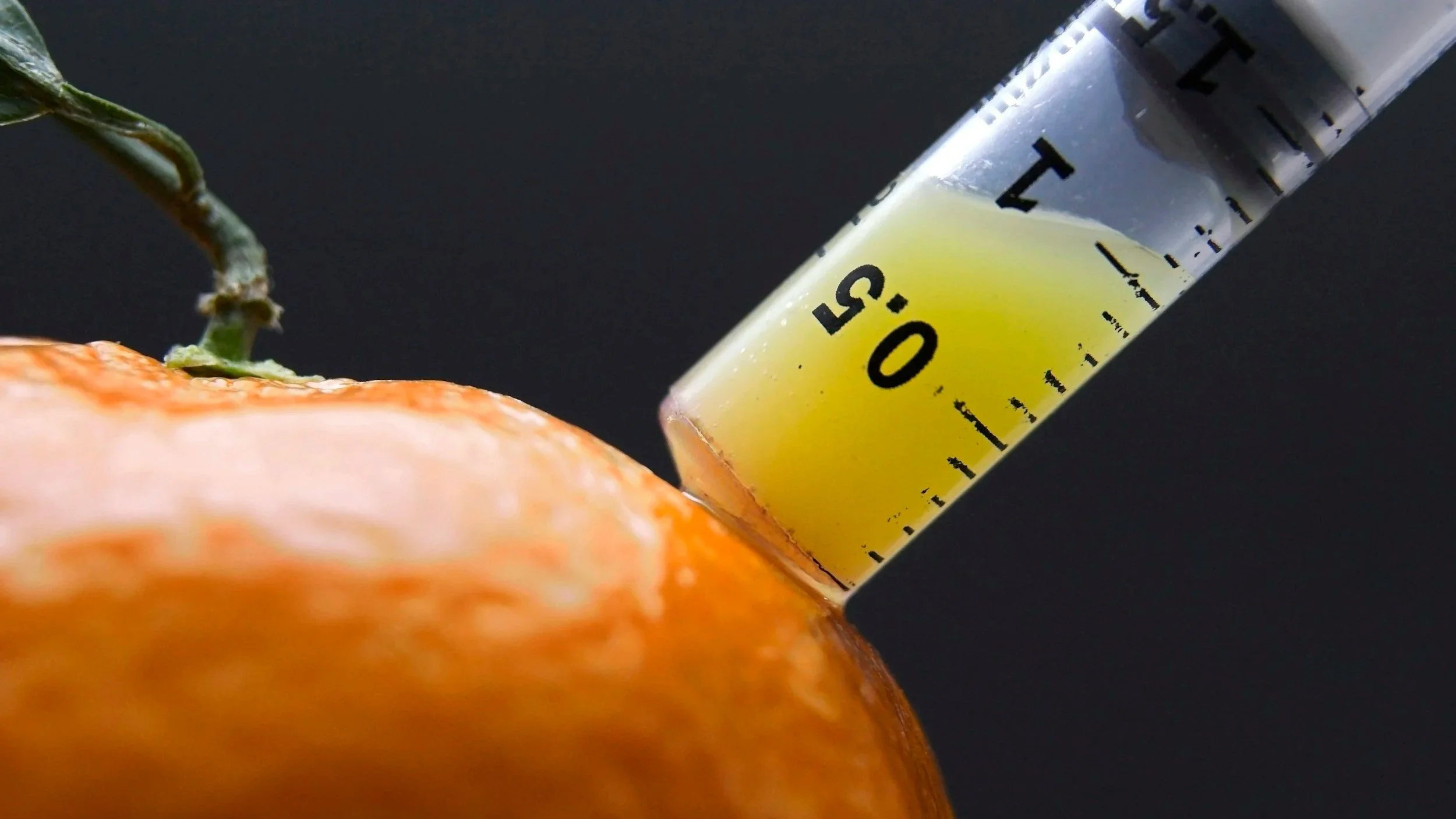
For some clients, once the foundational root-cause work is underway, targeted peptides can be a meaningful addition to the protocol. They are one clinical tool within a broader framework, deployed strategically when the picture calls for them, not as a first step and not as a standalone solution. We have strong outcomes both with and without them. Here is where we find them most relevant in acne cases:
BPC-157 supports the healing of the gut barrier and strengthens the gut-brain connection alongside gut healing protocols. When gut integrity is compromised, inflammation spills into the broader body and drives skin symptoms. BPC works at that foundational level, supporting the gut environment that makes the rest of the protocol more effective.
KPV is a potent anti-inflammatory peptide that helps calm the inflammatory and histamine-driven dynamics that frequently stem from gut imbalances. In cases where the inflammatory load is significant, KPV can help quiet that signal enough for the body to begin regulating on its own as the underlying drivers are addressed.
Microdose GLP-1 supports metabolic function by improving insulin sensitivity and stabilizing blood sugar, directly addressing the IGF-1 and androgen-driven inflammatory cascade that drives acne. It also works to downregulate NF-kB, one of the primary inflammatory signaling pathways active in acne lesion formation. It is used alongside targeted nutrition and lifestyle work, with a plan in place to maintain those benefits over time.

Client Success Story
Client Story: Clearing Acne by Resolving the Inflammation at Its Source
Client M came to us at 50 with acne, seborrheic dermatitis, chronic diarrhea, and significant gas, symptoms that had persisted despite working with other providers. She was fatigued, stressed, and stuck in a cycle that no previous protocol had been able to break.
Functional testing revealed the drivers clearly. Her GI-MAP showed significant bacterial overgrowth and dysbiosis, multiple opportunistic species known to fuel gut inflammation and skin flares, alongside low digestive capacity and a weakened gut immune system. Her OAT identified active yeast and fungal overgrowth and elevated oxidative stress markers, showing her antioxidant systems were overwhelmed. Her HTMA revealed a depleted mineral pattern consistent with chronic stress physiology impacting both gut repair and skin healing.
We worked through her protocol in three deliberate phases. The first established the foundations, stabilizing digestion, temporarily removing gluten and dairy to reduce the dietary inputs adding to her inflammatory burden, balancing meals to support blood sugar stability, and rebuilding her gut's capacity to heal without stirring up further inflammation. Once that foundation was solid, we moved into a targeted phase to address the microbial overgrowths driving the bulk of her inflammatory load, using antimicrobial support alongside gentle detox support and increased nutrient density to keep waste clearing efficiently and the body supported through the process. The third phase focused on rebuilding the microbiome with prebiotic and probiotic-rich foods, adding liver support foods to keep detox pathways clear, restoring metabolic function, and integrating the sleep, stress, and lifestyle habits to sustain her results long term.
Today, her diarrhea and gas are fully resolved. Her seborrheic dermatitis is clearing. And her acne, the symptom that had persisted through every previous protocol, is completely clear. This is what happens when we stop chasing symptoms and start addressing the inflammation at its source. Client M did not need another antibiotic or another round of spironolactone. She needed a comprehensive plan that uncovered what was actually driving her skin, addressed it in the right order, and gave her body the tools and the time it needed to heal.
Ready to Clear Your Skin for Good?
If you are looking to clear your acne once and for all without antibiotics, spironolactone, or Accutane, we can help. Book a complimentary Strategy Call to work 1:1 with our team and get to the root of what is actually driving your skin.
In Health, Abby & the Above Health Team
Related Posts: Eczema, Peptides, and Functional Medicine
