
A Gut Health Specialist's 6 Foundations for Healing Your Gut
The 6 overlooked foundations that decide whether your gut actually heals and stays healed, not another random supplement to add.
After walking so many clients through gut healing, here is what I have learned. Most gut healing stalls not because you are missing the right supplement or the perfect protocol, but because the foundations underneath it were never fully in place. These are the pieces that get glanced over in most healing protocols, the unglamorous basics that quietly decide whether everything else you are doing can actually take hold. When they are missing, you can do all the right things on paper and still feel stuck, because your body does not yet have what it needs to hold the progress.
So if I were starting my own gut healing journey today, or guiding someone who is already deep into theirs, these are the six practices I would build on first. Whether you are at the very beginning or you feel like you have already tried it all, many of these are the very principles that could be keeping you stuck. They are not flashy, but they are the difference between chasing symptoms and actually creating the conditions for your gut to heal and stay healed.
As a bonus, I am also building in some key supplement supports from Adapt Naturals, a brand we love and trust that makes the tools for gut healing and inflammation more accessible. Their formulas are so thoughtful and are not found anywhere else.
Let's get into it.

Adrenals and Nervous System
1. Adrenals and Nervous System
The nervous system and adrenals are huge foundations of gut health, and they are often core areas that need support right from the start. Without proper support for the nervous system and adrenals, we often find clients hit a glass ceiling where they cannot improve past a certain point, or they cannot hold their progress, and symptoms like constipation, fatigue, and SIBO do not fully clear.
Nervous system and adrenal support is not a supplement game. It is a nutrition and lifestyle approach that has to be practiced consistently to build safety in the body and restore resilience. A few of the key practices include:
Eating enough, thinking about both calories and macronutrients like carbohydrates and protein.
Being consistent with meal timing every day, since going too long between meals or pushing breakfast off too long can impact the cortisol stress hormone and drive higher stress levels in the body.
Living in alignment with your circadian rhythm by welcoming natural light in the morning and afternoon while protecting yourself from artificial light in the evening, aligning it with your sleep schedule, and improving your sleep hygiene.
Creating periods of stillness and practices that regulate your nervous system.

Blood Sugar Balance
2. Blood sugar
Blood sugar is an independent driver of inflammation in the body. When it is dysregulated, it puts pressure on the adrenals and drives a stress response that can lead to intestinal permeability and inflammation in the gut. It is another major foundation that has to be addressed, and it plays a particularly driving role in our histamine-sensitive clients, where it dysregulates the autonomic nervous system and can drive more histamine release. In fact, histamine issues can be a direct driver of insulin resistance and blood sugar issues, so blood sugar dysregulation and histamine issues can be a two-way street to insulin resistance, which is exactly why the gut needs to be addressed as a key player in both.
But first we have to start with the foundations for better-regulated blood sugar, such as:
Proper macronutrient balance at meals, including protein, fiber, and healthy fats alongside carbohydrates. Balanced blood sugar is not about cutting out carbohydrates or sugar; it is about a balanced intake more than anything.
Proper meal timing without long stretches between meals, because when blood sugar drops between meals, it can stimulate cortisol to release more stored blood sugar from the liver to raise blood sugar independent of food. That can trigger both an inflammatory response and a stress response even if you have not eaten anything at all.

The Gut Immune System
3. Gut Immune System
The gut immune system is the bouncer to your gut club and a huge determinant of whether your gut is able to heal and stay healed. When you have active gut infections like parasites, candida, or opportunistic infections, your gut immune system will be elevated and responding with an inflammatory response to try to manage them. But what we see so often in clients who have been on a longer-term healing journey is that their gut immune system was elevated for so long that it burned through nutrients and, as a protective mechanism, became suppressed, often alongside depleted adrenals.
The gut immune system requires healthy, resilient adrenals, which is why that is step one. Step two is supporting a healthy gut immune system through:
Restoring immune nutrients like vitamin A, vitamin D, and zinc carnosine, which are especially helpful to rebuild and protect the gut mucosal barrier where the gut immune system lives.
Key supplements like Adapt Naturals Colostrum+, which contains colostrum, beta-glucan, and lactoferrin, help balance and repair the gut immune system.

Optimize Digestive Secretions
4. Optimize Digestive Secretions
Digestive sufficiency is a huge part of the gut's self-cleaning mechanism. When it is depleted, it leads to maldigestion, which is the number one root cause behind IBS, SIBO, constipation, bloating, and so many other symptoms, including fatigue and eczema. The three major digestive secretions that self-clean the gut are stomach acid, bile, and digestive enzymes. Without healthy levels of these in the digestive tract, the gut microbiome can become overgrown, leading to fermentation, gas, and bloating, and opportunistic pathogens can get into the gut and disrupt healthy microbiome balance, leading to GI infections, SIBO, and even parasites.
Supporting optimal digestive sufficiency to prevent or correct maldigestion starts with:
Eating hygiene, paying attention to whether you are stressed or rushing through meals and instead sitting down, chewing, focusing on your meal, and actually giving your brain and gut time to digest.
Proper hydration with both water and minerals, especially sodium and potassium, to provide the building blocks to make the digestive secretions and promote healthy gut motility so food and waste do not slow down and congest the gut.
Bitter foods and even bitter tinctures, which we love to use to stimulate digestive secretions and promote better self-cleaning of the GI system.
We are also relaunching Gut Health Reset, our six-week gut healing program that addresses constipation, fatigue, and gut symptoms by restoring the gut's self-cleaning mechanisms and addressing the driver of low metabolism that often precedes them. We are launching this Fall, so join the waitlist to be the first to learn more.
Join the Gut Health Reset waitlist HERE
Support Beneficial Bacteria
5. Support Beneficial Bacteria with Food Diversity, Polyphenols, and Fibers
Making sure your beneficial bacteria are robust is a huge part of the gut's protective mechanisms. They maintain a healthy gut barrier, which prevents leaky gut, protects against infections and fungal issues, and calms inflammation, especially the robust beneficial bacteria that produce short-chain fatty acids. This is where we often see overly strict food elimination diets become a limiting factor in gut healing protocols, because they lead to too little food diversity, and that limits the health of the beneficial bacteria.
The key foundations for a healthy, robust beneficial microbiome are:
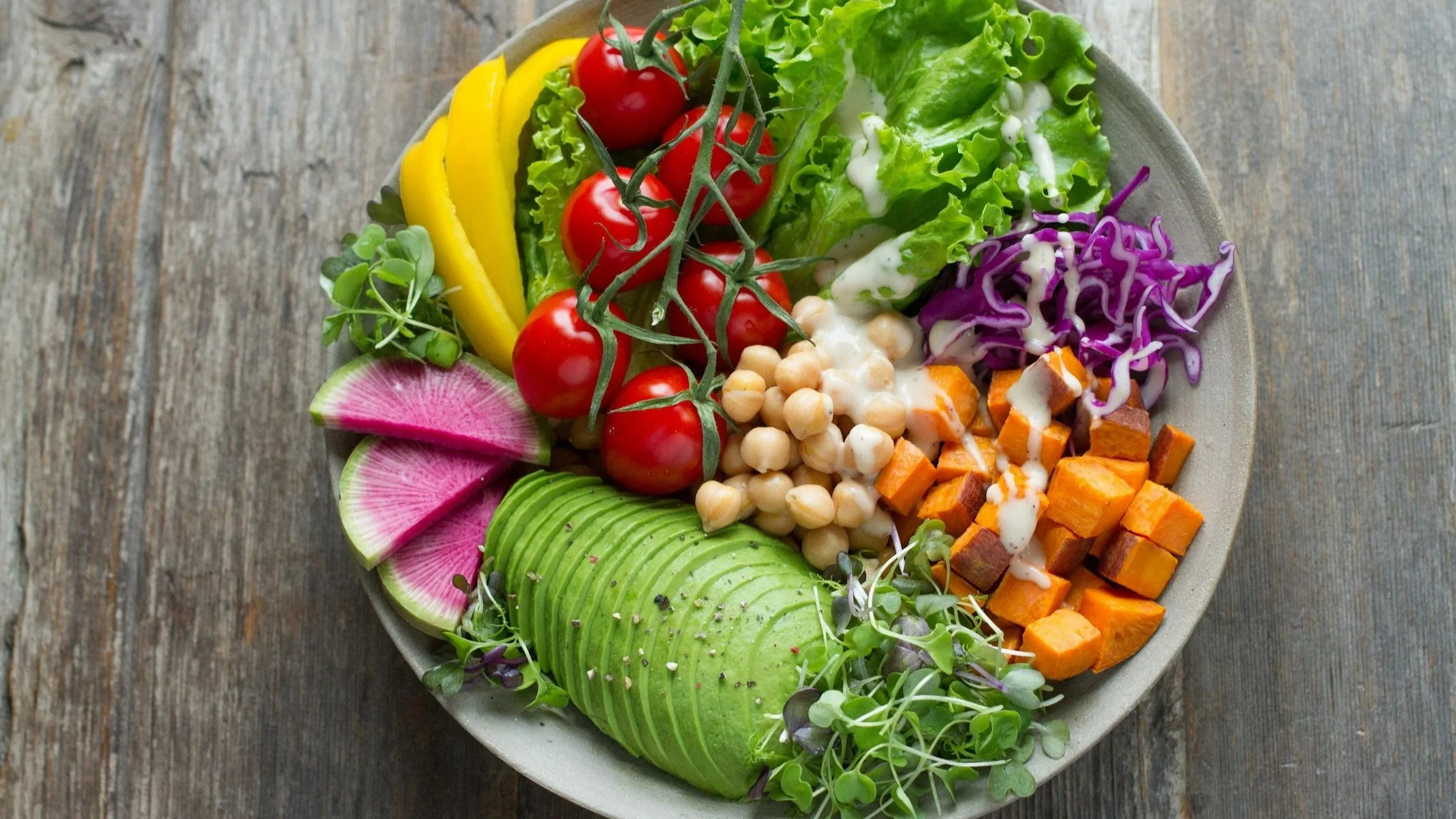
Diversity in the diet, aiming for five different plants a day and 30 across the week to nourish a diverse and abundant gut microbiome.
Not overly restricting carbohydrates, since many carbohydrate foods provide the polyphenols and fibers that feed the beneficial gut bacteria, like fruits, oats, beans, legumes, and root vegetables.
Key supplements like Adapt Naturals Biome Protect is another tool we find helpful for the health of the beneficial microbiome, since it contains nutrients that calm inflammation, feed beneficial gut bacteria, and even key probiotic species that create competition with pathogenic species to improve the balance of the microbiome.
Uncover the Root Cause
6. Uncover the Root Cause Drivers through Targeted Testing
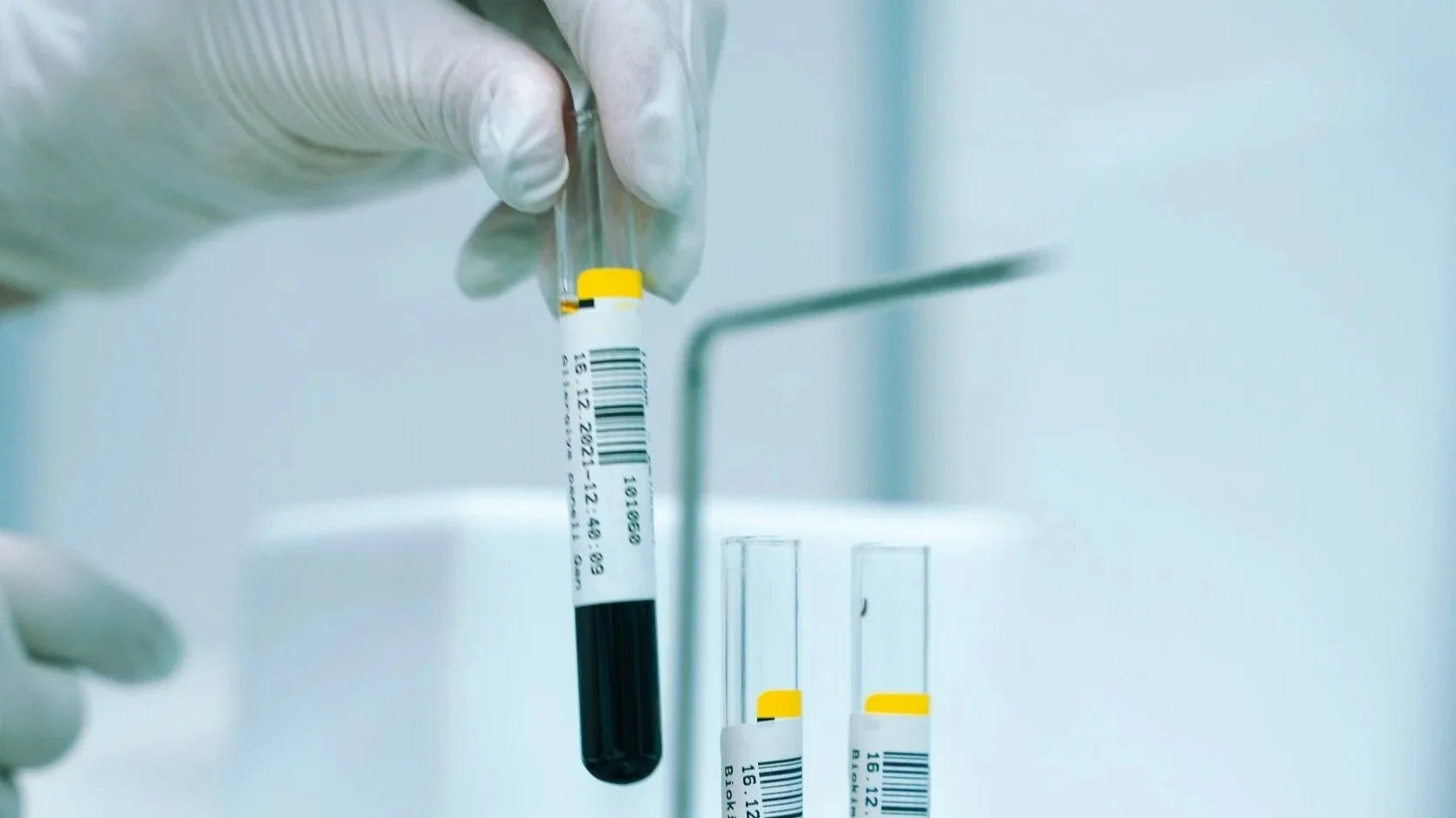
The final step is to get the proper testing with a provider who specializes in gut health, so you understand your unique drivers and can build a plan that addresses each one in the right order. This is especially important if you are someone who has "tried it all" and you feel overwhelmed, lost, and confused because you are already doing everything I touched on above. There are so many different root cause drivers that can be impacting your gut, and even more that are not directly gut-related but still affect it. Without proper testing based on your unique symptoms, health history, and story, we are just guessing, and we could be dancing around the issue entirely.
In our practice, we always start with a functional stool test to understand the role of the gut directly, but we also assess whether toxins, deeper infections, liver burden, or thyroid issues may be playing a role, since any of these can be the actual root cause driver, and it takes more than one stool test to understand that.
If you are here, confused, frustrated, and exhausted from trying everything and nothing feels like it is working, let's go deeper inside our 1:1 to finally get you the answers and solutions you deserve. Book a complimentary 30-minute strategy call where we can talk through your symptoms, history, and goals, and make a plan based on your unique body so you get the right information from the start, stop obsessing about your gut, and finally get back to living your life.
