
The Holiday Gut Survival Guide
6 Pillars to Help Your Gut Stay Regulated - and Calm Bloating, Constipation & Loose Stools
The holidays are supposed to feel special, cozy, and joyful. But if your gut is sensitive, this time of year can also feel like a minefield.
Richer food, extra sugar, alcohol, late nights, disrupted sleep, travel, family dynamics, and emotional stress all land directly on the systems that are already working overtime in your body. That’s when the symptoms you’ve spent months trying to calm - bloating that makes your clothes feel tight halfway through the day, constipation that leaves you feeling backed up and uncomfortable, loose stools or urgency that make you anxious to leave the house, fatigue that doesn’t match what you’re doing, and skin that flares just when you want to feel your best all start getting louder again.
None of that means you’re failing or doing anything wrong. It means your body is trying to stay regulated during a season that pulls on every lever at once: your gut, your nervous system, your hormones, your metabolism, and your immune system.
This is exactly why I like to have a holiday gut survival plan. Not a restrictive plan, and not a “start over in January” plan. A realistic set of pillars that help your gut stay as stable as possible during high-stress, high-stimulation, high-celebration months.
During seasons like this, regulation matters more than perfection. If you can give your body consistent anchors, your gut has a much easier time digesting, moving, detoxifying, and repairing, even when routine goes out the window.
These are the six pillars we lean on with clients to minimize bloating, constipation, loose stools, fatigue, and skin flares through the holidays.
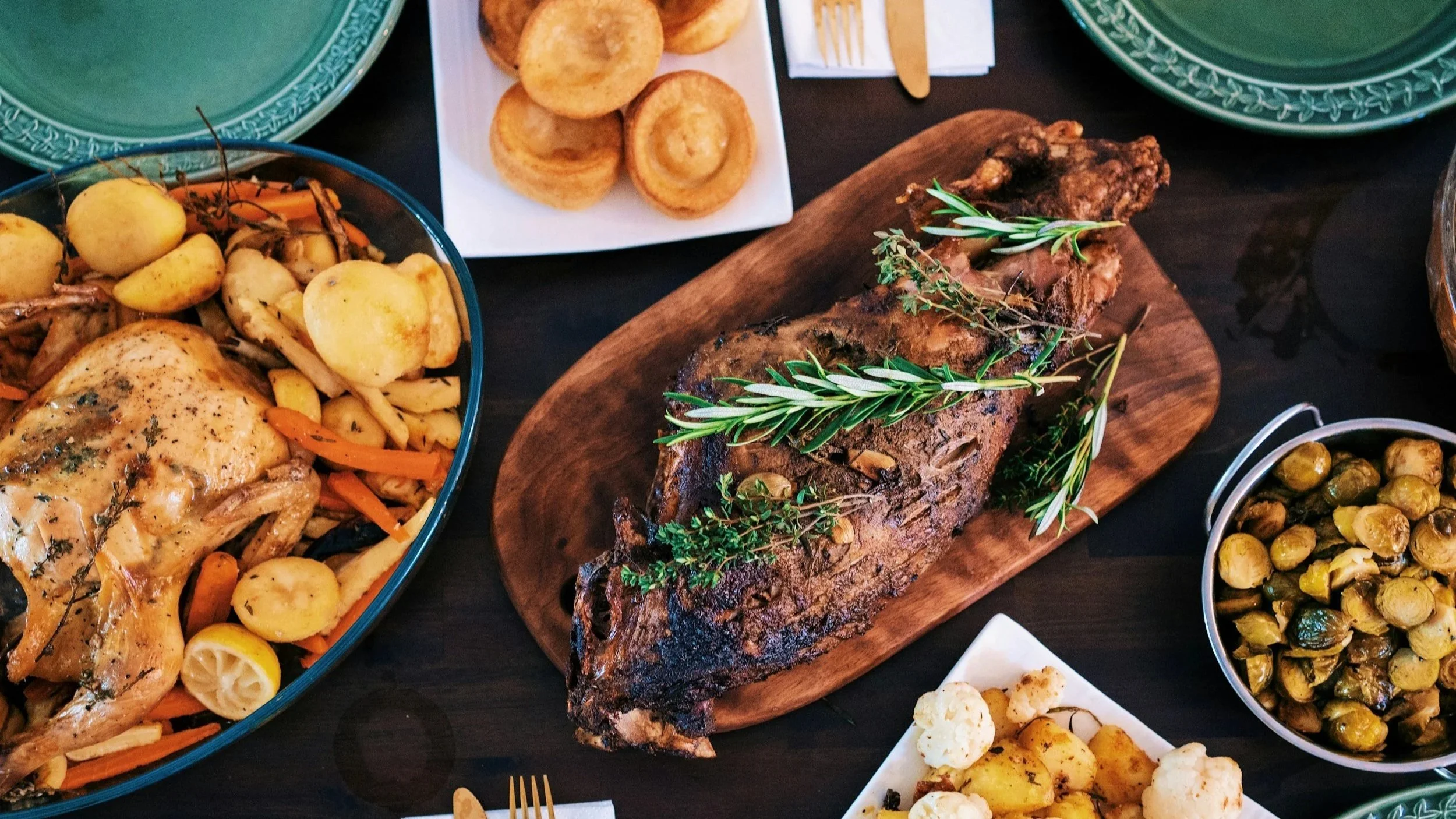
Pillar 1: Eat Real Meals, Not All-Day Grazing
Often it starts with skipping breakfast, then bites while you’re cooking, a handful of crackers here and there, a sliver of dessert on the counter, a yogurt as your “lunch” — and suddenly your gut has been asked to digest all day long without a real break.
Your small intestine has a built-in self-cleaning wave called the migrating motor complex (MMC). It’s like the dishwasher cycle for your gut. Its job is to move residual food, bacteria, and debris down and out between meals so things don’t stagnate and ferment, leading to gas, bloating and discomfort.
But here’s the catch: the MMC only turns on when you aren’t eating between meals. So when you graze all day long, that self-cleaning cycle never gets to run.
When you graze all day, food lingers in the small intestine longer than it should. This leads to more fermentation and gas, bloating that builds as the day progresses, constipation or loose stools due to disrupted motility, and a blunted appetite because your hunger and fullness hormones remain activated throughout the day.
Instead, I want you to eat actual meals. Build a plate, sit down, eat a full serving of food, and allow your body to register it has had a meal, and then enjoy the next 3-4 hours feeling satisfied without the need to pick or graze.
Even if your “meal” is snack-y - cheese, crackers, nuts, fruit - put it on a plate, sit down, and eat it in one defined sitting. Then give your body a break on the other side, where you’re not picking or nibbling. That space is what allows the MMC to do its job, which is one of the simplest ways to keep bloating, gas, and motility issues from spiraling during the Holidays.
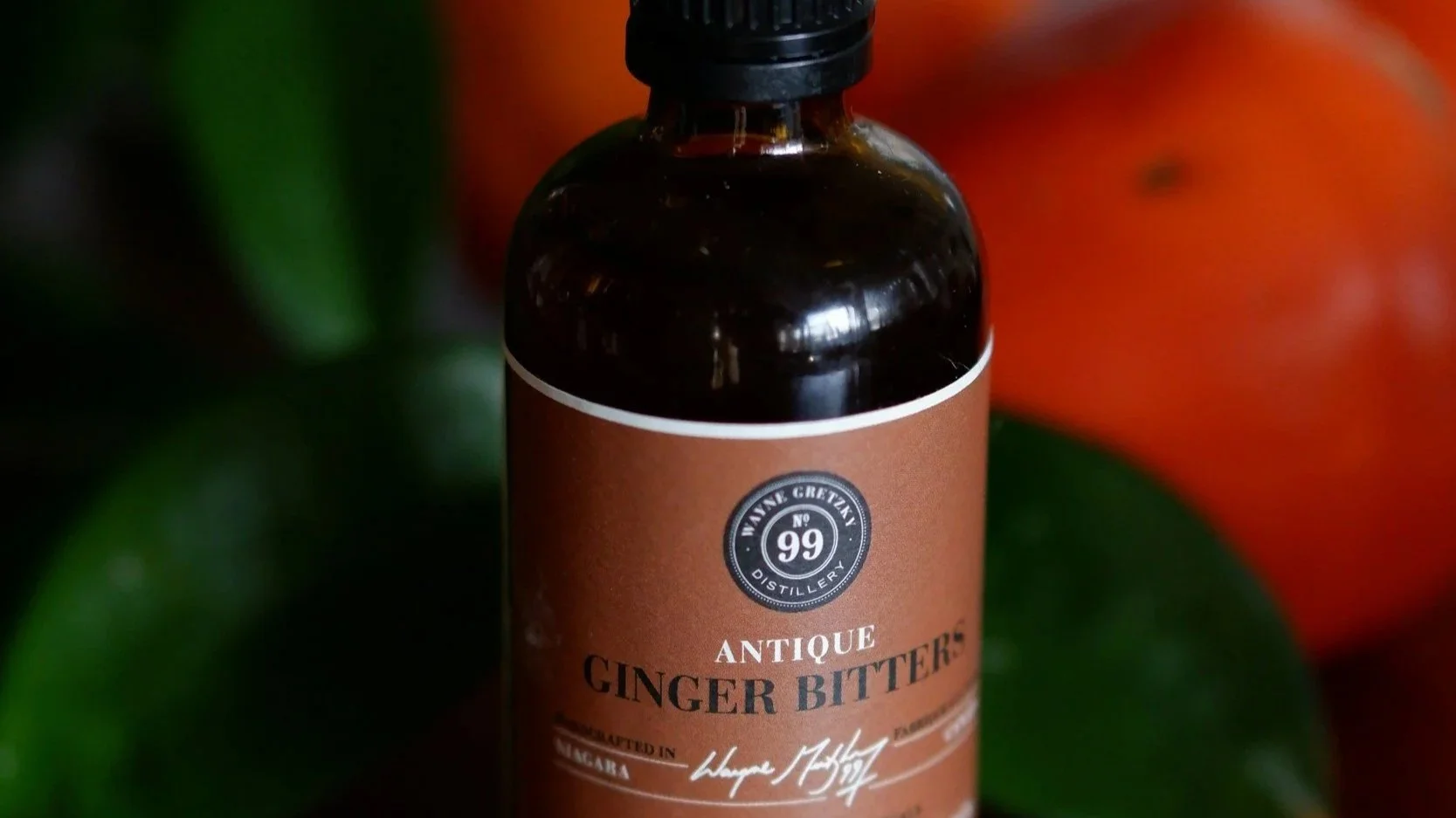
Pillar 2: Support Digestion with Bitters (Our Favorite Holiday Tool)
If you struggle with bloating, heaviness after meals, constipation, or loose stools, digestion itself is almost always a big part of the picture.
Richer foods, more sugar, alcohol, stress, and travel all suppress stomach acid, digestive enzymes, and bile flow. When those secretions are low, your body can’t fully break down food. That undigested food becomes irritating to the gut lining, feeds the wrong microbes, and drives inflammation, bloating, and unpredictable stools.
Inside Gut Health Reset (our 6-week nutrition-forward program, launching again in February 2026), one of the biggest needle movers is helping clients customize their digestive support based on their unique symptoms and needs. When digestion is supported properly, we consistently see less bloating, more regular bowel movements, fewer loose stools, and calmer overall inflammation.
When we’re not tailoring things specifically to your symptoms, my favorite broadly appropriate tool is bitter foods and tinctures.
Bitter compounds stimulate the bitter receptors in your mouth and gut. This sends a signal through your vagus nerve, the main communication highway between your brain and digestive organs, to turn digestion “on.”
Bitters help:
Increase stomach acid so proteins and minerals are properly broken down
Stimulate pancreatic enzymes to help you handle carbs, proteins, and fats
Support gallbladder contraction and bile flow so fats are digested instead of sitting heavily and causing nausea or greasy stools (this is also a major part of your detoxification process and hormone health, too)
Gently encourage motility so food moves instead of lingering
You can incorporate bitters in whatever way feels easiest for you. Some people prefer adding bitter foods at meals with things like arugula, radicchio, lemon, or a splash of apple cider vinegar. Others prefer bitter tinctures, which are quick, convenient, and easy to use while traveling or eating out. You can also combine both for extra support.
Two of our favorite tincture options are:
JUJ Bitters - beautifully formulated for digestive mocktails. Use code ABOVEHEALTH10 for 10% off.
Urban Moonshine Bitters - a great tool to add directly into your mouth before meals.
Take bitters before meals to signal your digestion that food is coming, or use them between meals if your digestive system is feeling sluggish or you want to gently support motility. Either approach works; it’s just about creating a helpful rhythm that fits your day.
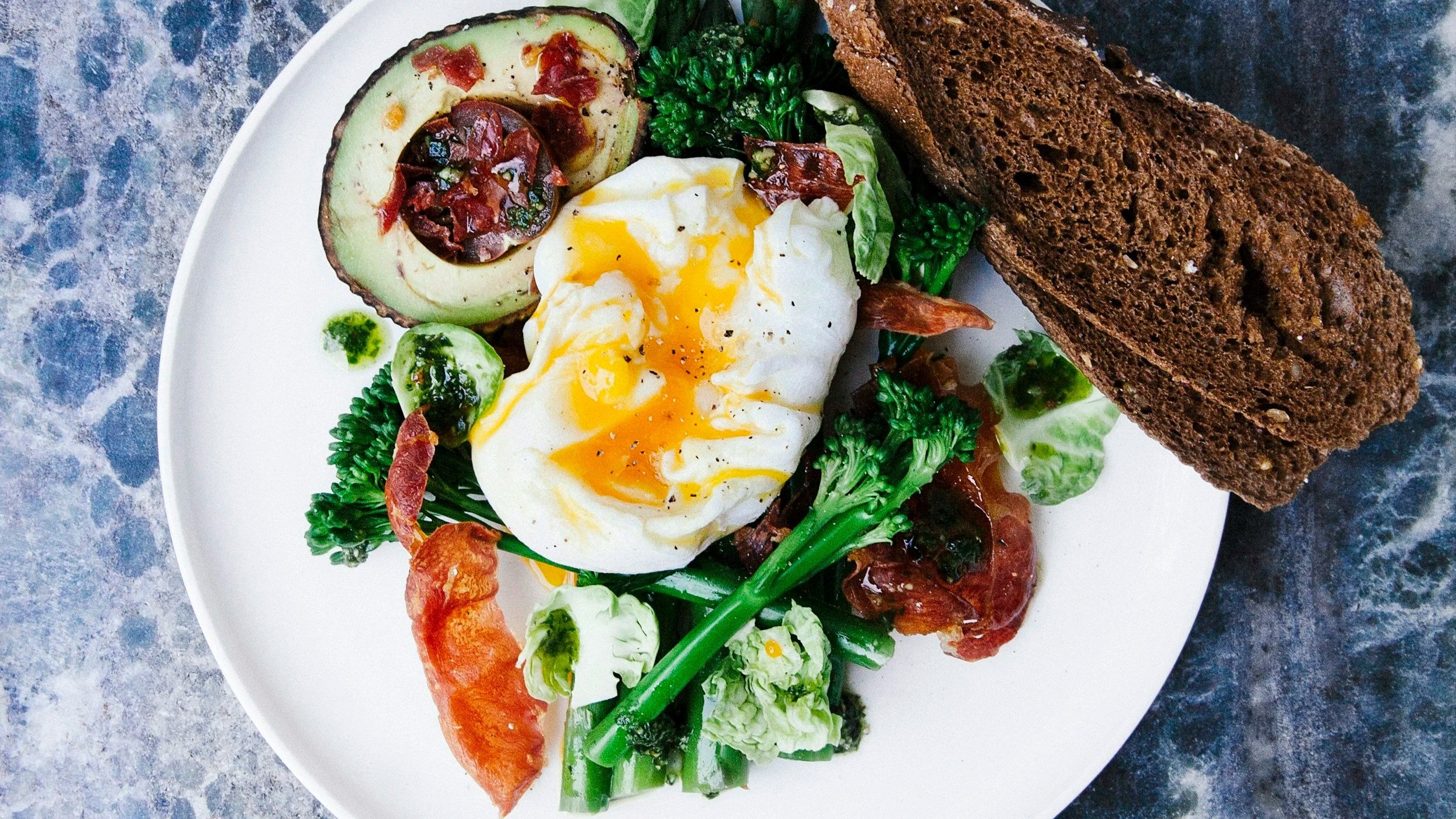
Pillar 3: Eat Breakfast - Even After an Indulgent Night
This is one of the most common traps I see: you have a big, heavy, or late meal, maybe some alcohol, you wake up feeling full, puffy, or off, and the instinct is to “compensate” by skipping breakfast, drinking coffee, and waiting until later in the day to eat.
It sounds logical, but physiologically, it does the opposite of what you want.
When you delay food in the morning, your body leans harder on cortisol, your main stress hormone, to keep blood sugar stable. Cortisol is not the enemy, but when it spikes outside of its normal rhythm, it wreaks havoc on your gut, hormones, and energy:
Increases permeability in the gut lining (making it easier for inflammation and food reactions to flare)
Slows motility for some people and speeds it up for others, contributing to constipation or loose stools
Disrupts stomach acid production, which worsens bloating and maldigestion
Sets you up for blood sugar crashes, fatigue, cravings, and irritability later in the day
After an indulgent night, your gut and nervous system are already working harder. Skipping breakfast just adds another stress layer on top. Instead, I’d rather you have a lighter but intentional breakfast that includes some protein and fiber. This doesn’t need to be a huge, elaborate meal. Think:
A smoothie with protein and fiber
Eggs and sourdough toast
Yogurt with berries and seeds
Chia pudding with collagen
You’re not “undoing” last night; you’re regulating today. When you support your cortisol and blood sugar rhythm in the morning, your gut lining is better protected, motility stays more consistent, and you’re less likely to end up on the stress–blood sugar roller coaster that amplifies symptoms all day long.
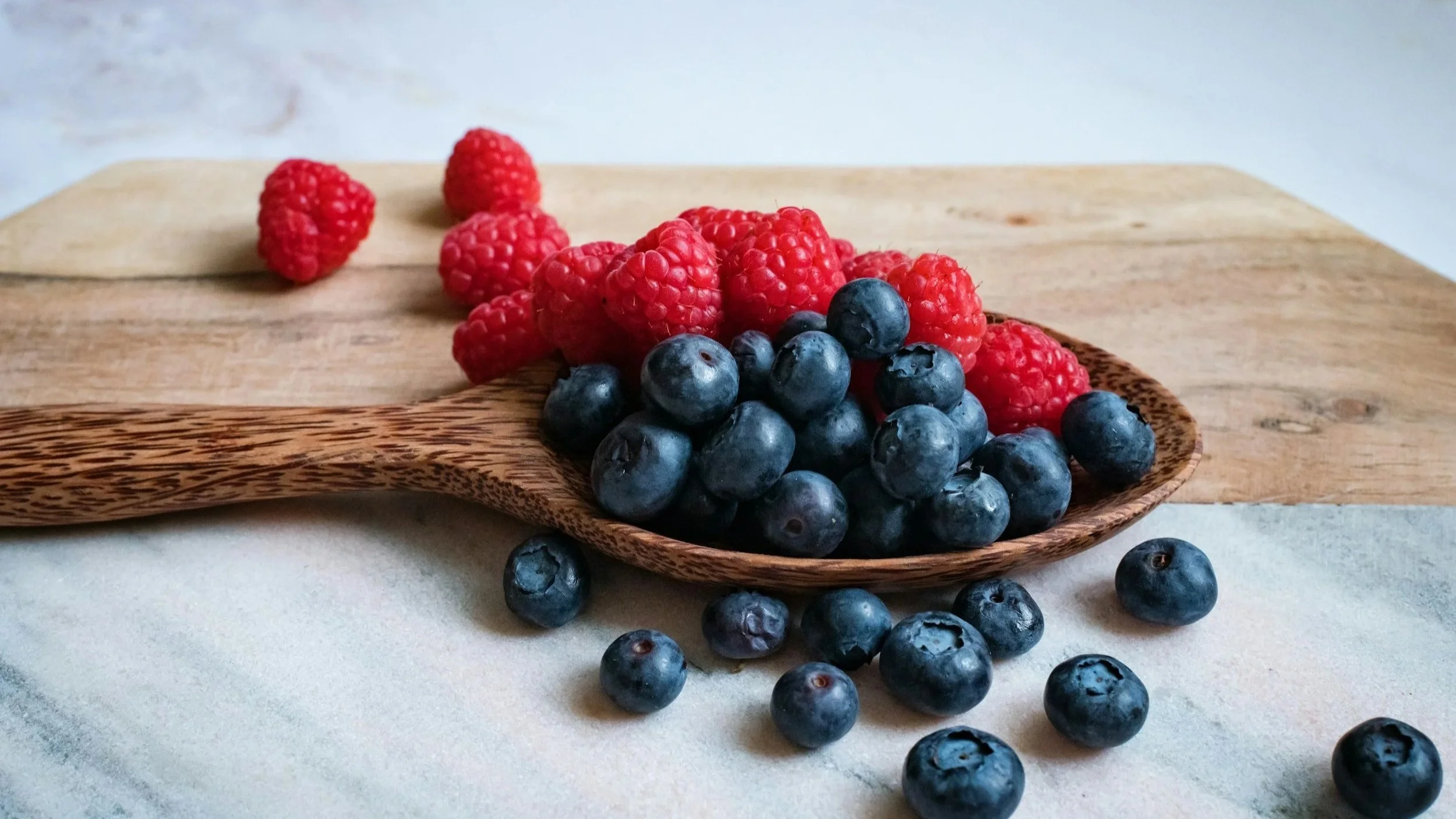
Pillar 4: Add Antioxidants & Anti-Inflammatory Support Into Your Daily Meals
Most people hear “anti-inflammatory diet” and picture a long list of foods they shouldn’t eat. But a truly anti-inflammatory approach is about balance, not restriction - especially when it comes to blood sugar regulation. Meals that consistently pair protein, fiber-rich carbohydrates, and healthy fats keep blood sugar steadier, support cortisol balance, and reduce the inflammatory spikes that make bloating, constipation, loose stools, cravings, fatigue, and skin issues louder.
A simple way to lower inflammation during the holidays is to add more antioxidants.
Antioxidants help neutralize the oxidative stress created by richer foods, alcohol, poor sleep, emotional stress, and blood sugar swings. When oxidative stress rises, the gut lining becomes more reactive, motility becomes less predictable, hormones destabilize, and mitochondrial energy production slows - all of which directly impact digestion and how sensitive your system feels.
Increasing antioxidant-rich foods doesn’t require a full diet overhaul. It looks like crowding more colorful plants into the meals you’re already eating: berries, cherries, citrus, pomegranate, beets, purple cabbage, leafy greens, red onions, fresh herbs, cacao, and deeply colored vegetables. These small additions throughout the day help create a calmer, more resilient internal environment to the ups and down of the Holiday season.
You can also boost antioxidants through simple, daily additions like herbal teas (nettle, dandelion, hibiscus, ginger) and spices (Ceylon cinnamon, rosemary, turmeric, ginger). These concentrated plant compounds support digestion, gut lining integrity, and overall inflammatory balance - especially when stress and routine disruption are high.
When you naturally layer more color, plants, herbs, and spices into your meals, you’re giving your gut and nervous system the inputs they need to stay more regulated during a season that tends to push them off balance.
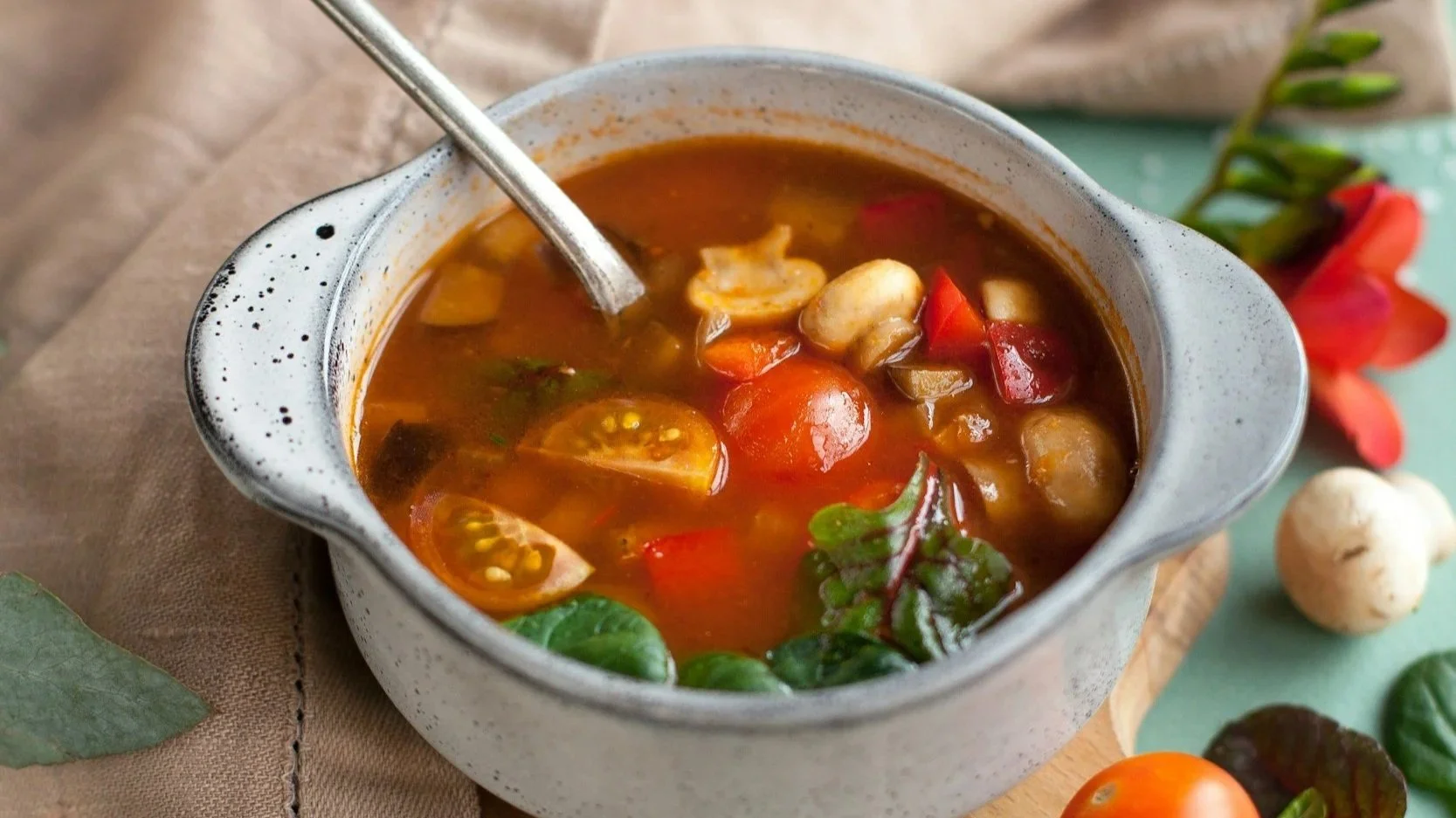
Pillar 5: Prioritize Cooked Foods When Your Digestion Feels Sensitive
One of the easiest ways to support a sensitive gut during the holidays is to lean into warm, cooked, easily digestible foods. This is especially helpful when your routine is off, your stress is higher, or you’re eating richer foods that already require more digestive output.
Raw vegetables, while nutrient-dense, are mechanically harder to break down. They require stronger stomach acid, more digestive enzymes, and a sturdier gut lining. During the holidays, those systems are often more taxed than usual. That means raw salads and crunchy crudités can create more bloating, distention, gas, or irregular bowel movements than normal, even though they might appear like the “healthier” option.
Cooked vegetables, on the other hand, are in a way pre-digested by the cooking process, which reduces the workload on your digestive system. Many people immediately feel lighter, less bloated, and more grounded when they shift toward warm meals during busier, more indulgent seasons.
Leaning into foods like:
Soups with soft vegetables
Brothy stews
Stir-fries
Roasted root veggies
Sautéed greens
Gently cooked proteins
These foods give your digestive system a break without sacrificing nourishment. Warm, cooked meals also support vagal tone and help stabilize the gut–brain axis, two things that directly influence motility and inflammation.
This isn’t about restriction. It’s about choosing the forms of food your gut can comfortably process when everything else is pulling on your resources.
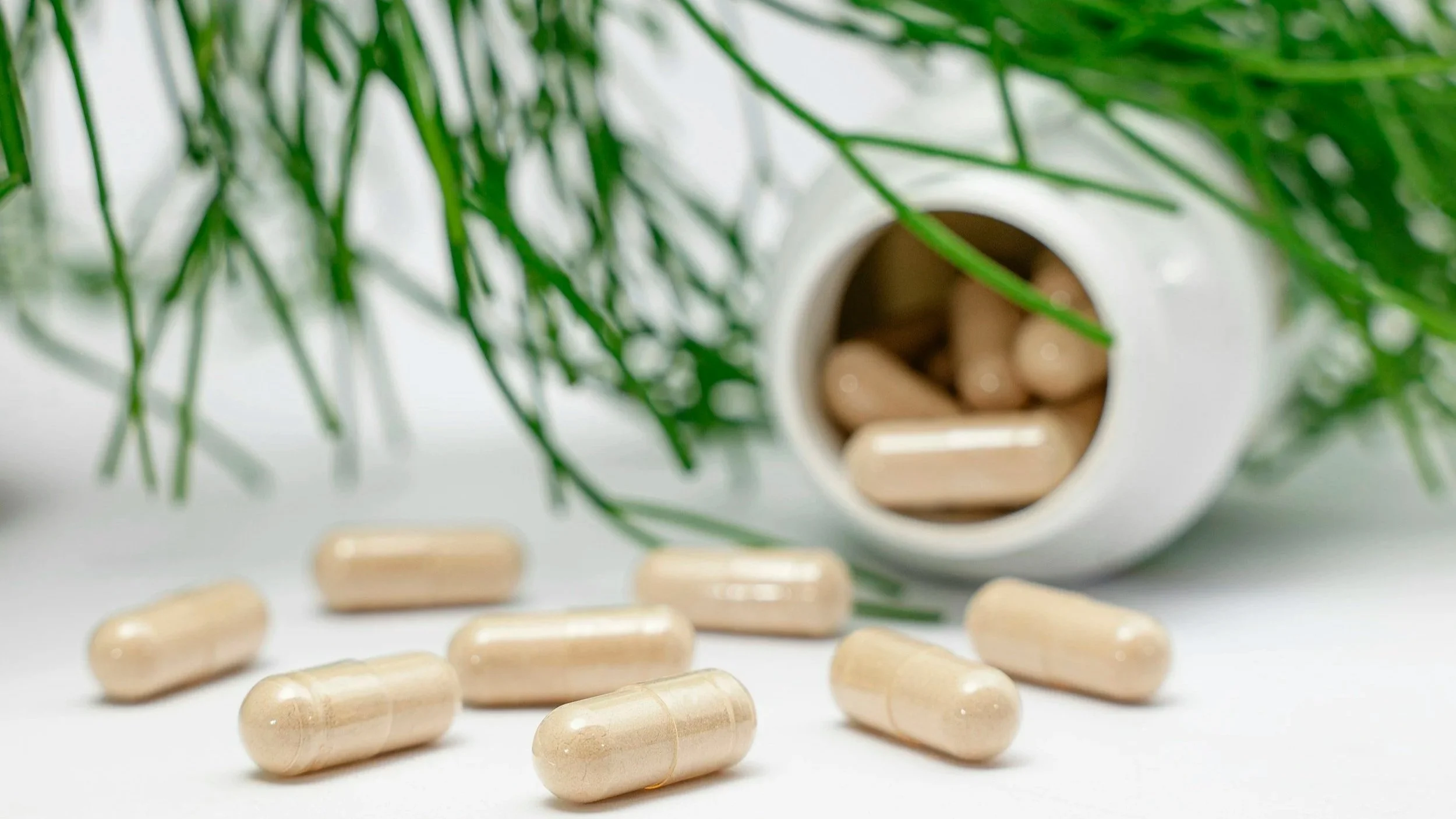
Pillar 6: Keep Gut-Protective Supplements on Hand
During the holidays, your gut lining is taking more hits than usual - from inflammatory foods, alcohol, stress, immune triggers, and changes in routine. This is when people notice more food reactions, more bloating, more constipation or loose stools, more fatigue, and more skin flares.
You don’t need a massive supplement stack, but having a few strategic tools on hand can make a big difference.
Immunoglobulins like MegaIgG 2000
Immunoglobulins act like sponges for inflammatory proteins in the gut. They can bind and neutralize things like bacterial toxins or problematic food components before they can trigger as much immune chaos. We naturally produce immunoglobulins in our GI system, but using them as an additional supplement can help to combat the extra pressure of the Holiday season.
Immunoglobulins helps to:
support the immune system locally in the gut
reduce irritation and inflammation along the gut lining
calm down reactivity after meals that are richer or more processed than usual
reinforce the barrier function of the intestinal wall
Gut Healing Supplement like GI Response
A formula that supports the gut barrier, aka reduces and heals leaky gut, can be incredibly effective for keeping the gut lining resilient during busy, indulgent seasons. The holidays naturally increase stress on the gut lining through alcohol, sugar, irregular meals, and poor sleep, so giving your body targeted nutrients to repair faster than it’s being irritated can make a meaningful difference in how reactive your gut feels.
These blends help:
nourish and repair the gut lining
calm inflammatory cascades
support more consistent stool form
help your body recover after alcohol or foods that aren’t normally in your rotation
Together, immunoglobulins and a gut-lining support formula help keep your gut barrier stronger and your symptoms more manageable during a season that tends to poke at all your vulnerabilities. I like to combine both of these into a 4-6 oz of water in the morning on an empty stomach especially after a fun, indulgent holiday or a season I am traveling or certainly after having any cocktails.
If you want help building your own gut-support toolkit, the Supplement Guide to Gut Healing walks through these and other favorites so you can customize what you use based on your symptoms and needs - and you can access our supplement dispensary inside the guide to purchase anything you choose to use.

The Real Goal: Regulation, Not Perfection
The most important pillar is the one underneath everything we’ve talked about: your body doesn’t need stricter rules during the holidays - it needs regulation. It needs consistent signals of safety so your gut, metabolism, hormones, and immune system can keep doing their jobs.
These pillars aren’t restrictions. They’re support beams.
Your gut is not fragile. With the right inputs, it’s incredibly capable of adapting - even in the busiest months of the year. These pillars will help hold you steady so you can enjoy the season without spending it in symptom-management mode.
If you find you need deeper, more personalized support, that’s exactly what we do inside Gut Health Reset, which opens again in February. Sign up HERE for the waitlist to be the first to sign up when doors open and we can walk you into your best gut health in 2026.
But for now, start here. Pick one or two pillars to lean on, and let them anchor you through the season.
