
For many women, perimenopause can feel like a period of complete unpredictability in their bodies. Symptoms that were never an issue before suddenly become part of everyday life, particularly symptoms related to histamine and increased inflammatory reactivity. Women may begin experiencing hives, itching, flushing, skin rashes, headaches, nasal congestion, heart palpitations, or reactions to foods they've eaten their entire lives. These symptoms can show up alongside bloating, constipation, heartburn, disrupted sleep, increased anxiety, worsening PMS or PMDD symptoms, fatigue, and changes in body composition. Women who previously felt healthy and stable may suddenly feel like their bodies are reacting to everything, without understanding why so many different symptoms are happening at once.
Unfortunately, many women are left feeling dismissed, with little explanation beyond being told that these changes are a normal part of aging or simply the result of fluctuating hormones. While hormonal fluctuations are an inevitable part of perimenopause, how well the body tolerates these changes depends on much more than estrogen and progesterone alone. There are six foundational systems that help maintain stability throughout the body, and when these systems are functioning well, they help buffer the effects of hormonal fluctuations. But when one or more are already struggling, perimenopause can further destabilize the body, contributing to increased inflammation, histamine reactivity, and a wide range of symptoms.
These six stabilizing pillars are gut health, nervous system and adrenal support, thyroid function, detoxification and antioxidant capacity, blood sugar stability, and nutrition. They work together to regulate inflammation, support energy production, maintain metabolic health, and help the body adapt to physiological stress. Understanding how these systems function helps explain why some women move through perimenopause with relatively few symptoms while others experience significant changes in their health.
The goal of this article is to give you a clearer framework for understanding these six pillars, how they influence one another, and where you can focus your attention to create greater stability during perimenopause. This is also the foundation of how we approach care in our functional nutrition practice, using strategic testing and individualized support to identify areas of dysfunction and help women feel better throughout this transition.

Why Perimenopause Can Drive Histamine Symptoms
Why Perimenopause Can Drive Histamine Symptoms
Perimenopause is often described as a period of declining hormones, but what makes this transition particularly challenging is the degree of hormonal fluctuation that occurs along the way. Estrogen levels can rise and fall unpredictably, while progesterone production becomes less consistent as ovulation changes. These hormones influence far more than the reproductive system. They interact with the nervous system, immune system, gut microbiome, metabolism, and inflammatory signaling, which helps explain why symptoms can extend well beyond changes in the menstrual cycle.
One of the biggest examples of how perimenopause can destabilize the body is the increase in histamine-related symptoms that so many women experience without understanding why. Estrogen can stimulate mast cells to release histamine, while histamine can further stimulate estrogen production. At the same time, declining progesterone may reduce some of the regulation that helps keep mast cell activity in balance. But hormones are only part of the picture. Fluctuating estrogen and progesterone can also affect the gut microbiome, intestinal barrier, and protective mucosal lining, potentially contributing to greater gut inflammation and changes in how the body processes histamine. Certain gut bacteria produce histamine, while the intestinal lining helps break down histamine from food through an enzyme called DAO. When the gut is already struggling with inflammation, dysbiosis, or impaired barrier function, histamine tolerance may become even lower. This helps explain why women can suddenly develop reactions to foods they've always tolerated, alongside bloating, diarrhea, hives, itching, flushing, headaches, nasal congestion, heart palpitations, anxiety, and disrupted sleep. These symptoms can seem completely unrelated, but they may share a common connection between hormonal fluctuations, gut health, and histamine regulation. And it's exactly why looking beyond hormones to the health of these foundational systems is so important during perimenopause.
This is why two women can move through perimenopause and have dramatically different experiences. The hormonal transition may be similar, but their underlying metabolic health, digestive function, nutritional status, and capacity to recover from stress can be very different. Perimenopause can expose areas of dysfunction that were developing long before the hormonal changes became noticeable, making it especially important to evaluate the systems that help the body maintain stability.
The 6 Stabilizing Pillars of Perimenopause

Gut Health is the 1st Pillar
1. Gut Health
The gut plays a major role in how well the body handles the hormonal fluctuations of perimenopause, particularly when it comes to inflammation, immune regulation, and histamine sensitivity. A healthy gut environment helps maintain a strong intestinal barrier, a balanced microbiome, and a well-regulated immune response. When the gut is already struggling with inflammation, dysbiosis, or compromised barrier function, the immune system can become more reactive, making it harder for the body to tolerate the additional changes happening during perimenopause.
This is especially important for women who suddenly develop histamine-related symptoms they've never experienced before. Histamine issues aren't limited to reactions to food. They can show up as bloating, abdominal pain, diarrhea, nausea, reflux, flushing, itching, hives, skin rashes, headaches, nasal congestion, heart palpitations, anxiety, and disrupted sleep. The gut plays a central role in regulating histamine exposure and immune activity, so when the digestive environment is disrupted, it can contribute to greater mast cell reactivity, inflammation, and reduced histamine tolerance. Fluctuating estrogen and progesterone can further influence the gut microbiome, intestinal lining, and immune responses, making these symptoms more pronounced during perimenopause.
This is why stabilizing the gut is often one of the first priorities when addressing histamine and inflammatory symptoms during perimenopause. Supporting microbial balance, intestinal barrier integrity, and the protective mucosal lining helps create a healthier environment for immune regulation and histamine processing. The gut also influences estrogen metabolism, nutrient absorption, and communication with the nervous system, making it foundational to several of the other stabilizing pillars. Improving gut health can help reduce sources of inflammatory stress and support greater stability as the body moves through hormonal changes.

Pillar 2: Nervous System and Adrenal Support
2. Nervous System and Adrenal Support
The nervous system and adrenal glands play a major role in how well the body handles the hormonal fluctuations of perimenopause, particularly when it comes to stress tolerance, inflammation, sleep, and digestion. The nervous system communicates with the adrenal glands to regulate stress hormones like cortisol and adrenaline, while the vagus nerve helps calm the stress response, support digestion, and regulate inflammation. When these systems are functioning well, the body can respond to stress and return to a state of balance. But when the nervous system is already overwhelmed by chronic stress, poor sleep, inflammation, or inadequate nutrition, hormonal fluctuations can make it much harder to maintain that stability.
This is especially relevant for women who suddenly experience increased anxiety, irritability, heart palpitations, disrupted sleep, digestive changes, or difficulty recovering from everyday stressors. Fluctuating estrogen and progesterone can influence neurotransmitters and the body's sensitivity to stress, making the nervous system more reactive. Because the nervous system communicates directly with the gut and immune system, this increased reactivity can also contribute to digestive dysfunction, heightened inflammatory responses, and greater sensitivity to histamine.
This is why supporting nervous system and adrenal health is such an important part of creating stability during perimenopause. Improving the body's ability to shift out of fight-or-flight mode helps support digestion, recovery, and inflammatory regulation. Adequate nutrition is also essential, as undereating and blood sugar fluctuations can increase cortisol and adrenaline responses. Supporting gut health, consistent fueling, and nervous system regulation together helps strengthen the body's ability to handle hormonal changes.

Thyroid Function is Next
3. Thyroid Function
Thyroid health plays a major role in how well the body handles the hormonal fluctuations of perimenopause, particularly when it comes to energy production, metabolism, digestion, and body composition. Thyroid hormones regulate how efficiently our cells produce and utilize energy, influencing everything from digestive motility and body temperature to cardiovascular function and recovery. When thyroid function is already compromised, the hormonal changes of perimenopause can make it even more difficult for the body to maintain stability.
This is especially important for women who begin experiencing persistent fatigue, brain fog, constipation, hair thinning, cold intolerance, or changes in body composition. Many of these symptoms overlap with perimenopause, making underlying thyroid dysfunction easy to overlook. Fluctuating estrogen levels can influence thyroid hormone binding and availability, while chronic stress, inflammation, and inadequate nutrition can further affect thyroid regulation. Thyroid health is also closely connected to the other stabilizing pillars. Poor thyroid function can slow gut motility and contribute to constipation, influence blood sugar regulation, and reduce cellular energy availability. At the same time, gut dysfunction, oxidative stress, and nutrient deficiencies can interfere with healthy thyroid function, creating a cycle where these systems further destabilize one another.
This is why evaluating and supporting thyroid function is an important part of creating stability during perimenopause. Understanding thyroid hormone production, availability, and metabolism alongside gut health, nutrition, inflammation, and stress regulation helps identify dysfunction that may be contributing to symptoms. Supporting thyroid health helps strengthen metabolic function, digestive health, energy production, and the body's overall ability to adapt to hormonal changes.

#4: Detoxification and Antioxidant Capacity
4. Detoxification and Antioxidant Capacity
The body's ability to process and eliminate hormones, regulate inflammation, and protect against oxidative stress is another important part of maintaining stability during perimenopause. The liver plays a central role in metabolizing estrogen, while the gut helps eliminate estrogen metabolites and influences how much estrogen is recirculated back into the body. At the same time, antioxidant systems, particularly glutathione, help protect cells from oxidative damage and support healthy inflammatory and immune responses. These processes are closely connected to gut health, nutrition, thyroid function, and cellular energy production, which all influence the body's ability to manage oxidative stress.
During perimenopause, fluctuating estrogen levels can influence antioxidant defenses and inflammatory activity, making existing sources of oxidative stress particularly relevant. Chronic stress, gut dysbiosis, blood sugar instability, and inadequate nutrition can all contribute to oxidative stress, while environmental exposures, including mold, mycotoxins, air pollutants, and other environmental toxins, may place additional demands on the body's detoxification and antioxidant systems. When these factors occur together, oxidative stress can further contribute to gut barrier dysfunction, immune activation, and mast cell reactivity, potentially worsening histamine sensitivity, headaches, skin reactions, fatigue, and other inflammatory symptoms.
This is why supporting detoxification and antioxidant capacity is an important part of creating stability during perimenopause. Healthy liver function, regular bowel movements, adequate nutrition, and sufficient cellular energy support the body's ability to process hormones, eliminate waste, and maintain antioxidant defenses. Addressing sources of oxidative stress, including relevant environmental exposures, while supporting gut health, blood sugar regulation, and thyroid function helps reduce the overall inflammatory burden and strengthen the body's ability to adapt to hormonal changes.
Blood Sugar Stability is Key
5. Blood Sugar Stability
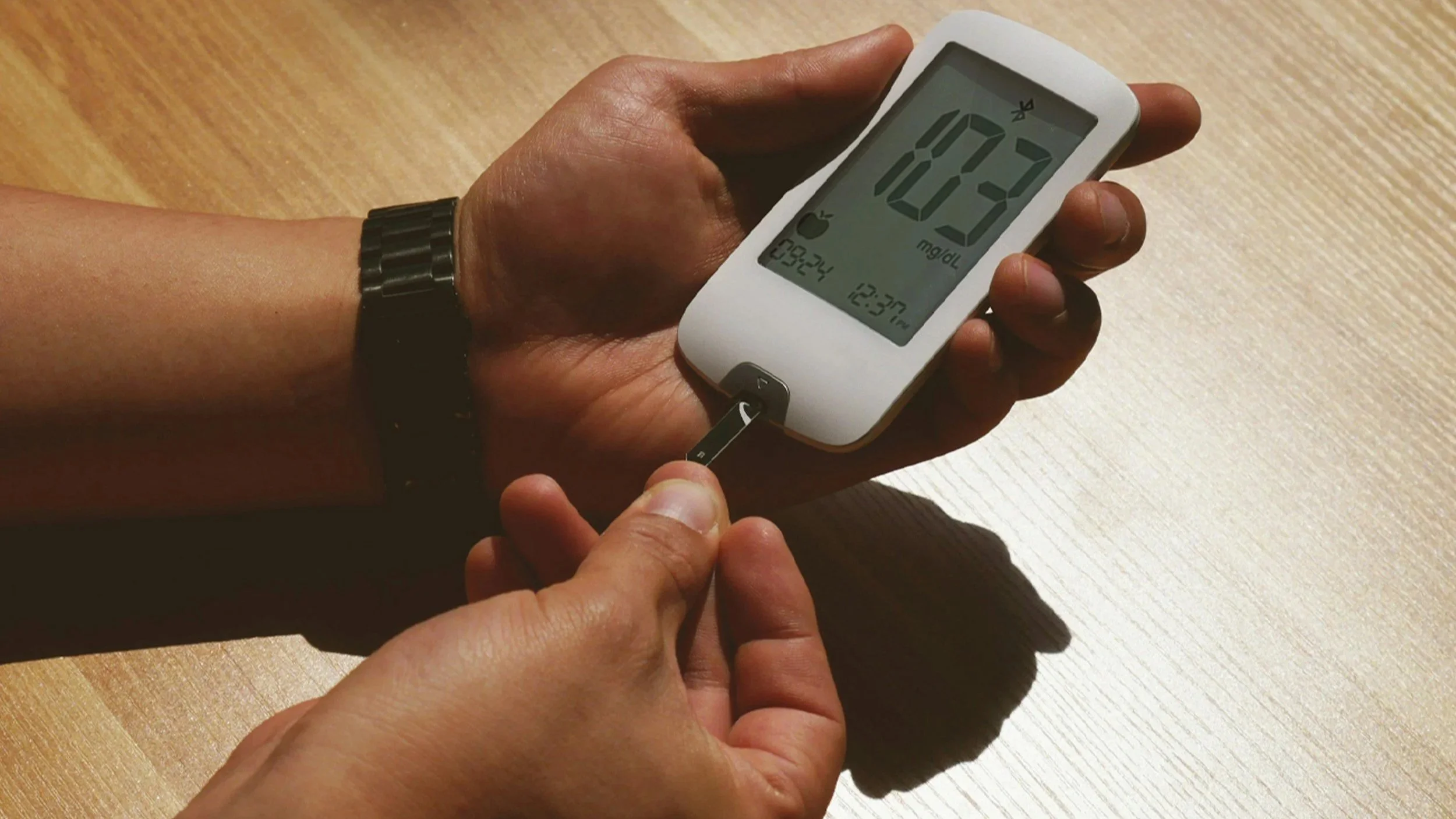
Blood sugar stability plays an important role in how well the body handles the hormonal fluctuations of perimenopause, particularly when it comes to energy, nervous system regulation, inflammation, and immune function. Estrogen influences insulin sensitivity and glucose metabolism, so fluctuating and declining estrogen levels can contribute to changes in blood sugar regulation, metabolic health, and body composition.
Women may begin experiencing energy crashes, increased cravings, anxiety, irritability, heart palpitations, or disrupted sleep. When blood sugar drops too low, the body releases adrenaline and cortisol to restore glucose levels, further activating an already sensitive nervous system. Blood sugar instability and insulin resistance can also increase oxidative stress and inflammatory signaling, influencing mast cell activity and potentially worsening histamine reactivity and immune-related symptoms.
Blood sugar regulation is closely connected to the other stabilizing pillars. Chronic stress, poor sleep, thyroid dysfunction, and gut inflammation can interfere with glucose regulation, while metabolic dysfunction can further increase inflammation and oxidative stress.
This is why maintaining blood sugar stability is an important part of creating resilience during perimenopause. Eating enough, consuming adequate protein and carbohydrates, supporting muscle health, and addressing underlying gut, thyroid, and nervous system dysfunction help create a more stable metabolic environment. This supports consistent energy, healthier immune regulation, and the body's ability to adapt to hormonal changes.

Don’t Forget Nutrition!
6. Nutrition
Nutrition is the foundation that supports all five of the other stabilizing pillars during perimenopause. The foods we eat directly influence blood sugar regulation, metabolic health, gut function, inflammation, and hormone metabolism. Adequate protein, carbohydrates, healthy fats, fiber, vitamins, and minerals provide the resources needed for thyroid function, nervous system regulation, antioxidant defenses, and immune health. But beyond simply meeting nutritional needs, the composition, quality, and timing of our meals can significantly influence how well these systems function.
Strategic nutrition shifts can make a significant difference in the symptoms women experience during perimenopause. Adjusting dietary histamine exposure and supporting gut health can help improve histamine tolerance, while balancing protein, fiber, and carbohydrates can improve blood sugar regulation and insulin sensitivity. Increasing antioxidant-rich foods and key nutrients can support glutathione production, reduce oxidative stress, and promote healthier inflammatory responses. Nutrition also plays a critical role in maintaining muscle mass, improving metabolic health, and supporting healthy changes in body composition.
Nutrition is also closely connected to digestive function and nutrient absorption. Gut inflammation, microbial imbalances, and impaired digestion can interfere with the body's ability to access and utilize nutrients, while restrictive eating patterns or inadequate fueling can further compromise metabolic and hormonal health.
This is why individualized nutrition is one of the most powerful tools for creating stability during perimenopause. Targeted changes in food choices, meal composition, nutrient intake, and eating patterns can support multiple stabilizing pillars at once, helping improve energy, immune regulation, histamine symptoms, metabolic health, and the body's ability to adapt to hormonal fluctuations.

How Above Health Can Help
How We Support Women Through Perimenopause at Above Health Nutrition
At Above Health Nutrition, we look beyond hormonal fluctuations to identify the underlying dysfunction contributing to your symptoms. Through strategic functional testing and individualized care, we investigate the systems influencing your gut health, immune function, metabolism, and overall resilience during perimenopause.
Depending on your symptoms and the level of support you're looking for, there are two ways to work with us.
Start With Our Gut Health Panel
If you're experiencing bloating, constipation, new food sensitivities, histamine reactions, or other digestive symptoms, your gut may be an important place to start.
Our Gut Health Panel ($695) includes comprehensive GI-MAP stool testing and a personalized video interpretation of your results, helping you better understand your gut microbiome, digestive function, and markers of intestinal inflammation and immune activity.
Explore the Gut Health Panel and Get Started Here
Work With Us Through Comprehensive 1:1 Care
If you're experiencing symptoms across multiple systems, including digestive issues, fatigue, histamine reactivity, thyroid concerns, or metabolic changes, our comprehensive 1:1 program provides a deeper level of investigation and ongoing support.
We combine strategic functional testing, individualized nutrition, targeted supplementation, and a personalized care plan to identify and address the underlying factors contributing to your symptoms. Our team guides you through implementation and adjustments as your health improves.
Book a Strategy Call to Explore 1:1 Care Here
You Have More Control Over Your Perimenopause Experience Than You May Realize
Perimenopause is a natural hormonal transition, but worsening symptoms don't have to be something you simply accept. While you can't control every hormonal fluctuation, you can strengthen the systems that influence how well your body responds to them.
Understanding what's happening in your body is the first step. With the right testing, strategy, and support, you can begin addressing the factors contributing to your symptoms and create greater stability throughout perimenopause.
Whether you're ready to start with gut testing or want comprehensive support, we're here to help you take the next step.
